Travel photography storytelling is the skill of turning a folder of vacation snapshots into a sequence of images that actually tells someone something — about a place, its people, and what it felt like to be there. Most travelers come home with hundreds of photos that look nice individually but say nothing together. This guide walks through the exact process pros use: planning a theme, building a shot list, composing with intention, shooting candidly, and editing a final sequence that reads like a story instead of a photo dump.
By the end, you’ll have a repeatable method you can use on your next trip, whether that’s a weekend in New Orleans or three weeks backpacking through Southeast Asia. None of this requires expensive gear. It requires a plan, patience, and an editing eye — the same tools that National Geographic photographers and Magnum members use on every assignment.
We’ll also cover practical basics like camera settings for tricky light and how to approach strangers respectfully, so you’re not just learning theory but leaving with steps you can apply on your very next shoot.
What Travel Photography Storytelling Really Means
Travel photography storytelling is not the same thing as taking a lot of good photos on a trip. It’s a deliberate practice of shooting with a narrative arc in mind — a beginning, a middle, and an end — so a viewer can follow a place or a person’s experience from image to image. A photographer practicing travel photography storytelling thinks less like a tourist and more like a documentary filmmaker working one frame at a time.
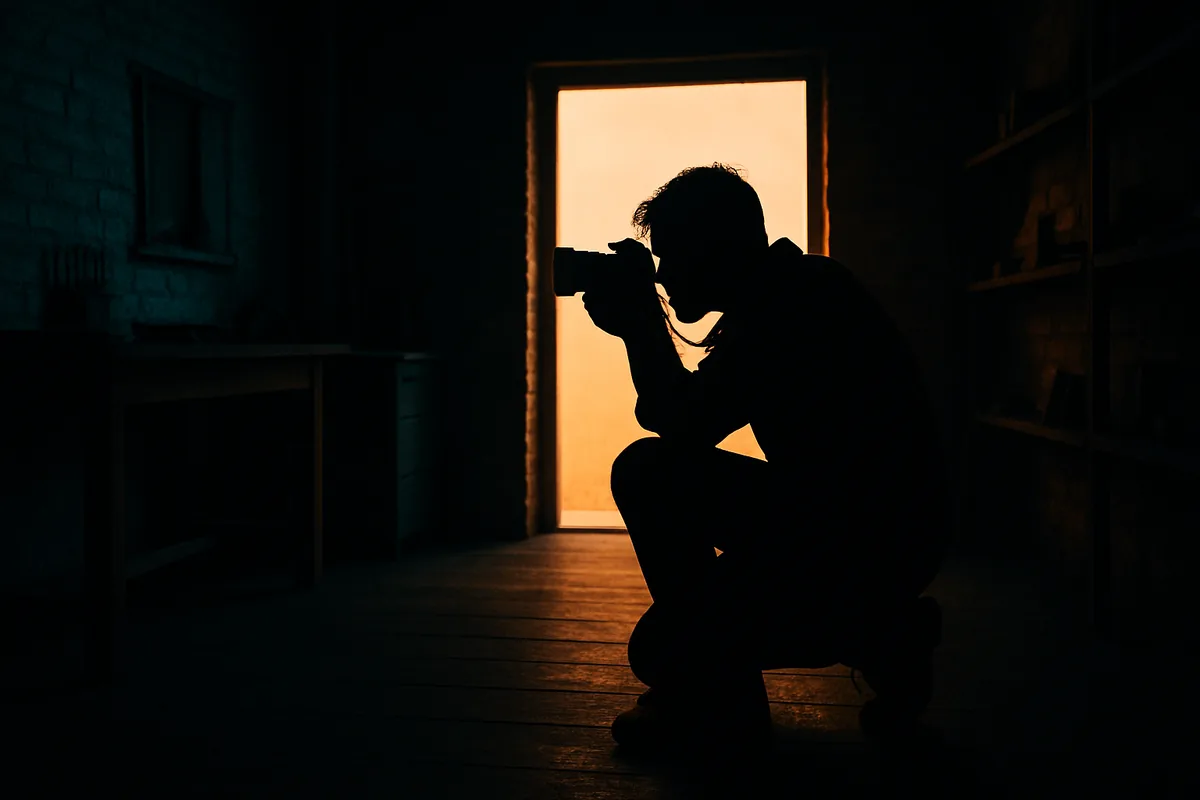
Photographers like Steve McCurry, whose Magnum work in Afghanistan and India spans decades, didn’t get famous from single striking portraits alone. Their photo essays built context around those portraits — the market, the walk to work, the quiet moment before or after the decisive shot. That context is what makes travel photography storytelling stick with viewers long after they’ve scrolled past it.
The difference between a photo and a photo story
A single photo answers “what did this look like?” A photo story answers “what was this like to experience?” One image of a fisherman on a boat is a nice photo. Ten images — the boat leaving at dawn, hands mending nets, the catch being sorted, the walk home, dinner with family — is a story.
That’s the core shift beginners need to make. Instead of hunting for one perfect shot per location, you’re building a small collection of images that work as a set, each one carrying a different piece of information.
Why narrative matters more than perfect exposure
A technically flawless photo with nothing to say gets scrolled past. A slightly grainy, imperfectly exposed photo that captures a genuine moment — a grandmother laughing at a street stall in Hanoi, a kid diving into a canal in Venice — gets remembered. Travel photography storytelling prioritizes emotional truth over technical perfection, though obviously you still want your images sharp and well-exposed when possible.
If you’re still working on the fundamentals of exposure and composition, it’s worth reviewing common beginner errors before you focus on narrative — our guide on 10 common travel photography mistakes to avoid covers the technical basics that free you up to concentrate on story.
Planning Your Photo Story Before You Travel
The best photo stories start before you ever pack a camera bag. Professional photojournalists rarely show up somewhere and hope a story finds them — they arrive with a theme, a rough shot list, and background research already done.
Choosing a theme or angle
Instead of trying to photograph “Marrakech” or “Tokyo” as a whole city, narrow your focus to something you can actually cover in the time you have. Good themes are specific and human-centered:
- A single market and the vendors who work there each morning
- One neighborhood over the course of a full day, from sunrise to closing time
- A local festival or religious ceremony, followed from preparation to celebration
- A craft or trade — tea makers, boat builders, street food cooks
A tight theme gives your travel photography storytelling a spine. Every shot you take gets measured against one question: does this add to the story I’m telling, or is it just another pretty picture?
Researching locations and local customs
Before you go, look at how other photographers have covered similar subjects. Studying Steve McCurry’s published essays from Magnum Photos, or following local photographers on Instagram who document their own neighborhoods, will teach you more about a culture’s visual rhythm than any guidebook.
Research also protects you from missteps. Learn basic customs around photographing people, religious sites, and women in the region you’re visiting — some cultures welcome candid street photography, others expect you to ask first. The Smithsonian Institution publishes cultural background on many regions worth checking before a trip focused on documentary work.
If you’re new to travel photography in general, our travel photography for beginners guide covers gear and prep that pairs well with this planning stage.
The Shot List Every Photo Story Needs
Photojournalists rely on a simple, repeatable shot list to make sure every story has visual variety. Missing any one of these categories usually means the story feels flat, no matter how good the individual photos are.
| Shot type | Purpose | Example |
|---|---|---|
| Establishing (wide) | Sets location and scale | A wide shot of a crowded Marrakech souk at midday, stalls stretching into the distance |
| Medium | Shows action and relationships between people | A vendor handing a bag of spices to a customer, both mid-conversation |
| Detail | Adds texture and intimacy | Close-up of hands pouring mint tea from height into a small glass |
| Portrait | Gives the story a face | An environmental portrait of the tea vendor, shop visible behind him |
| Candid moment | Captures unscripted emotion | A quiet laugh shared between two shopkeepers when no one is posing |
Establishing (wide) shots
Your wide shot should answer “where are we?” in one frame. Shoot it early, before crowds shift or light changes, and come back to reshoot it at a different time of day if the story spans a full day.
Medium and detail shots
Medium shots carry action. Detail shots — hands, tools, food, textures — are what separate amateur travel photography storytelling from a professional-feeling essay, because they slow the viewer down and add sensory information a wide shot can’t.
Portraits and candid moments
A strong photo story needs at least one recognizable human face the viewer connects with across multiple frames. Pair a posed environmental portrait with a candid shot of the same person to show both their presence and their personality.
Composition Techniques That Strengthen Travel Photography Storytelling
Good storytelling composition is less about following rules and more about using them to direct attention. Every technique below should serve the narrative, not just make the frame look nice.
Leading lines and framing
Alleyways, market stalls, staircases, and rivers all naturally pull the eye through a frame. Use them to lead viewers toward your subject rather than centering everything flatly. Framing a subject through a doorway or window also adds a layer of context — you see both the person and their environment in one shot.
Using light and color to set mood
Light is doing narrative work whether you plan for it or not. The soft gold light at Varanasi’s ghats right after sunrise gives images of pilgrims bathing in the Ganges a quiet, reverent mood that flat midday light never could. Harsh, high-contrast noon light, on the other hand, can communicate heat, exhaustion, or intensity if that’s part of your story.
If you’re not confident shooting in low light or during golden hour yet, our guides on sunset travel photography camera settings and the best time of day for travel photography will get your exposure and white balance dialed in before you focus purely on story.
Including people for scale and emotion
An empty temple courtyard is a nice landscape shot. The same courtyard with a monk sweeping the steps is a story. People give scale to architecture, emotional weight to landscapes, and a reason for viewers to keep looking. Travel photography storytelling almost always improves the moment a human element enters the frame.
Capturing Authentic Moments Without Staging
Staged photos tend to look staged — stiff smiles, unnatural poses, eyes locked on the lens. The most memorable travel photography storytelling comes from moments people didn’t perform for the camera.
Building trust with local subjects
Spend a few minutes talking before you raise your camera. Learn a handful of words in the local language — “hello,” “may I take your photo,” “thank you” — and use them even if your pronunciation is rough. People generally respond warmly to the effort, and a five-minute conversation often leads to a far more relaxed, honest portrait than a stranger pointing a lens without a word.
Buying something small from a vendor, sharing a meal, or simply sitting nearby for a while before shooting all build the kind of trust that shows up in the final image. Our piece on candid travel photography and capturing authentic moments goes deeper into approach techniques and etiquette by region.
Patience and observation over posing
Henri Cartier-Bresson called it “the decisive moment” — the instant when composition, expression, and action align for a split second. You can’t force that moment; you can only position yourself where it’s likely to happen and wait. Set up near a good light source or interesting background, then let the scene come to you instead of chasing it.
This is where patience beats gear every time. A photographer who waits ten extra minutes at a fruit stall for the vendor to laugh naturally at a customer’s joke will walk away with a stronger frame than one who snaps twenty rushed shots and leaves.
Sequencing and Editing Your Photo Story
The shooting is only half the job. Travel photography storytelling really comes together in the edit, where you decide what stays, what goes, and in what order the images appear.
Choosing a beginning, middle, and end
Lay out your best images and group them by moment in the day or stage in the process you documented. A market story might open with the wide shot of stalls setting up at dawn, move through midday action and portraits, and close with a vendor packing up at dusk. That arc gives viewers a sense of time passing, even if they’re only looking at a screen for thirty seconds.
Editing down: why fewer photos tell a stronger story
Published photo essays from outlets like National Geographic Travel typically run somewhere around fifteen to twenty-five images, not two hundred. Cut ruthlessly:
- Remove near-duplicates and keep only the strongest frame from each moment
- Cut any image that doesn’t add new information or emotion to the sequence
- Check for visual variety — if you have five medium shots in a row, cut some in favor of the wide and detail shots you’re missing
- Read the sequence start to finish as if you’d never seen the trip; does it make sense without you explaining it out loud?
A tighter set of twenty strong images will always outperform sixty mediocre ones when it comes to holding a viewer’s attention.
Adding Context With Captions and Text
Images carry most of the weight in travel photography storytelling, but a few well-placed words add information a photo can’t show on its own.
Writing captions that add information, not repeat the obvious
A caption that says “a man selling spices” under a photo that clearly shows a man selling spices wastes the reader’s time. A better caption gives context the image can’t: “Hassan has run this stall in the Marrakech medina for over twenty years, sourcing cumin and saffron from growers he’s known since childhood.” Answer who, where, and why it matters — not what’s visibly already there.
Where to publish: blogs, Instagram carousels, print zines
You don’t need a magazine assignment to publish a photo essay. Realistic options include:
- Instagram carousels — sequence eight to ten images with a short caption on the first slide setting up the story
- A personal blog — full control over layout, image size, and longer captions between photos
- Print photo books — services like Blurb let you design and print a physical photo essay, which feels more permanent and considered than a phone screen
- Pitching travel blogs or regional publications — many accept guest photo essays, especially ones with a clear theme and strong captions
Whichever format you choose, resist the urge to caption every single image. Let some photos breathe without text, especially your strongest emotional shots, and save the words for images that genuinely need context.
Turning Your Next Trip Into a Story Worth Telling
Travel photography storytelling isn’t a talent some people are born with — it’s a process you can follow on any trip, from a weekend road trip to a month abroad. Pick a narrow theme before you leave, shoot your wide, medium, detail, and portrait shots deliberately, build trust before pointing your camera at strangers, and then edit hard when you get home.
On your next trip, pick just one small subject — a single street vendor, one block, one morning market — and shoot it using the full shot list from this article. Come home and edit it down to your fifteen strongest images, sequence them into a beginning, middle, and end, and post them as a single Instagram carousel or blog post. That one focused exercise will teach you more about travel photography storytelling than shooting an entire country without a plan ever will.
Frequently Asked Questions
What is travel photography storytelling?
Travel photography storytelling is the practice of capturing a connected series of images that together convey a place, culture, or experience rather than isolated pretty pictures. It relies on a mix of wide, medium, and detail shots plus portraits to build a narrative arc with a beginning, middle, and end.
How many photos should a travel photo story include?
Most published photo essays, like those in National Geographic Travel, run between 15 and 25 images. For a personal blog or Instagram carousel, 8 to 12 tightly edited photos usually keep viewers engaged without losing momentum.
What camera gear do I need for travel photo essays?
You don't need much: a single mirrorless body like a Sony a7 IV or Fujifilm X-T5 with one versatile zoom (24-70mm equivalent) covers most storytelling needs. Prioritize a small kit you can carry all day over multiple bodies and lenses.
How do I get candid shots of strangers while traveling?
Spend time observing before raising your camera, learn a few local greeting phrases, and ask permission with a smile and a gesture toward your camera when possible. Photographers like Steve McCurry often spend hours building rapport before making the frame that ends up published.
Should I stage photos for a stronger travel story?
Light staging, like asking a market vendor to pause naturally, is common in documentary work, but heavy posing can strip away authenticity. The strongest travel photography storytelling usually favors patience and observation over direction.
Where can I publish or share my finished photo story?
Instagram carousels, personal travel blogs, and print photo books from services like Blurb or Artifact Uprising are accessible starting points. More advanced photographers can pitch photo essays directly to travel publications or regional magazines.
Mark Finley is a professional photographer, educator, and the founder of FormLovers. With years of experience behind the lens, Mark has transitioned from a passionate hobbyist to an industry professional, capturing stunning visuals and mastering the business of photography.