A personal photography project is the single fastest way to go from taking random pictures to actually developing a style. Instead of waiting for inspiration to strike, you give yourself a structure — a theme, a deadline, a set of rules — and that structure does the heavy lifting for your creativity. This article walks through what makes a project stick, how to pick one that fits your life, and nine concrete ideas you can start this week.
You’ll also get a practical framework for setting up shot lists, staying consistent when motivation dips, and turning the finished work into something you can actually show — a portfolio page, an Instagram grid, or even a printed photo book. Every idea here has been tested by real photographers, not pulled out of thin air.
By the end, you’ll know exactly which personal photography project matches your current gear, schedule, and skill level, and you’ll have a plan for finishing it instead of abandoning it after two weeks like most beginners do.
What Is a Personal Photography Project (and Why Bother)?
A personal photography project is a self-directed body of work built around one theme, constraint, or question, pursued over a set period of time. It’s different from casually shooting whatever catches your eye. A project has boundaries — a subject, a duration, a rule you commit to following even on days you don’t feel like it.
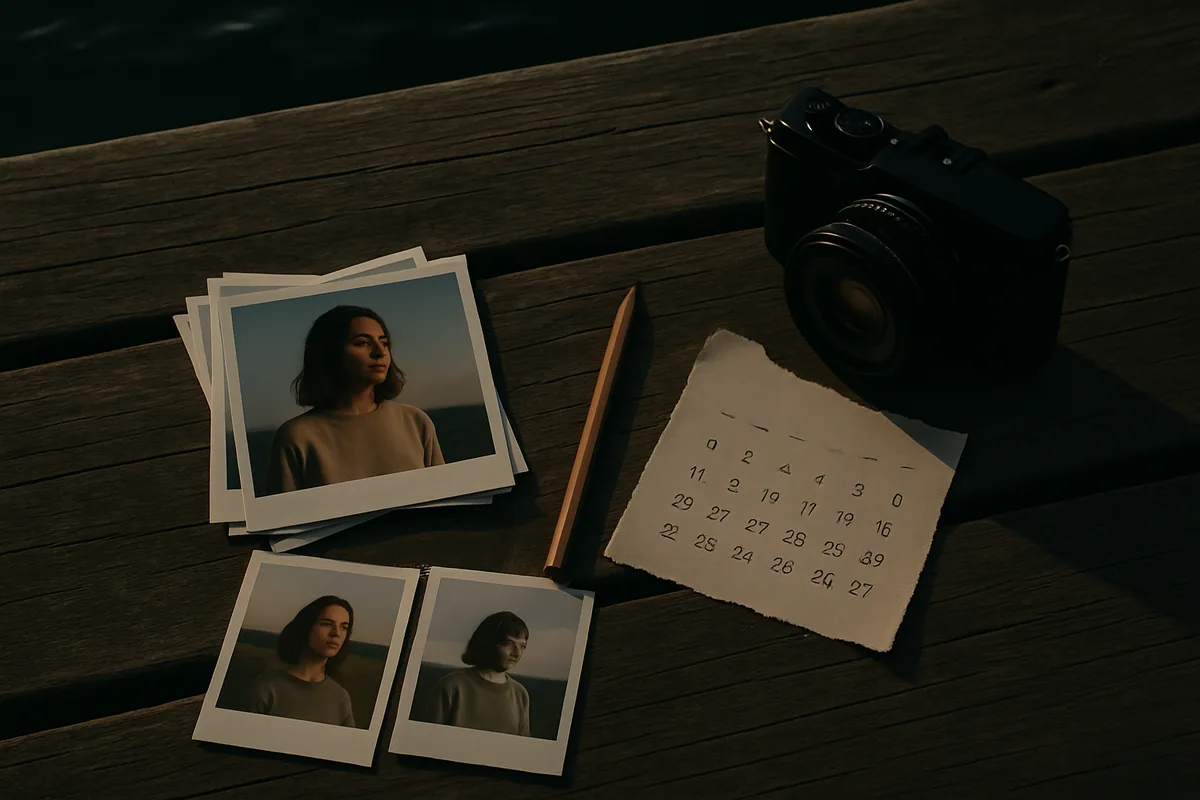
Vivian Maier is a good example of what sustained personal work looks like, even though she never set out to be famous for it. She spent decades photographing street life in Chicago and New York as a private practice, and that consistency is exactly why her archive feels so cohesive today. Chase Jarvis has talked publicly about how his early self-assigned work — shooting whatever excited him with no client involved — became the foundation of his commercial career later on.
The real benefits of starting a personal photography project
A personal photography project forces repetition, and repetition is where skill actually gets built. Shooting the same subject or theme repeatedly teaches you to see variations you’d otherwise miss.
- Skill building: repeated practice with one constraint sharpens technical decisions like exposure and composition.
- Portfolio material: a finished project gives you a cohesive set of images, not a scattered folder of one-offs.
- Motivation: a defined end point keeps you shooting when everyday life gives you no reason to pick up the camera.
- Creative identity: constraints reveal what you actually like to photograph, which is how a personal style forms.
Common mistakes that make people quit
Most beginners quit a personal photography project within the first two weeks, and it’s rarely about lack of talent. It’s almost always structural.
- No clear end date, so the project feels endless and loses urgency.
- Comparing daily output to polished work on Instagram instead of tracking their own progress.
- Choosing a subject that’s too broad (“nature”) instead of something specific and repeatable (“the same oak tree every Sunday”).
- Treating a missed day as a failure that ends the whole project instead of a normal bump in the road.
If you want more structured practice before committing to a full project, these photography exercises are a good warm-up.
How to Choose the Right Personal Photography Project for You
Picking the right personal photography project starts with an honest look at three things: how much time you actually have, what gear you already own, and what subjects genuinely interest you. Skip this step and you’ll pick something ambitious that collapses in a week.
Matching the project to your gear and schedule
You do not need expensive equipment to start a personal photography project. A smartphone like the iPhone 15 (around $799) or an entry-level mirrorless camera like the Canon EOS R50 (around $679) is more than enough for any of the ideas in this article. The camera matters far less than the consistency of showing up.
| Your Situation | Best Project Type | Suggested Duration |
|---|---|---|
| Busy schedule, phone only | Same location or single-subject study | 7-30 days |
| Some free evenings, mirrorless or DSLR | 52-week theme or neighborhood documentation | 4-12 weeks |
| Highly motivated, flexible time | 365 photo project | 12 months |
| Wants fast technical growth | Color study or recreating iconic photographs | 2-4 weeks |
Setting a realistic timeline: daily, weekly, or monthly
Beginners consistently overestimate what they can sustain daily and underestimate what they can sustain weekly. If you’ve never finished a personal photography project before, start with a 30-day or even 7-day version instead of jumping straight into a full year-long commitment.
A 30-day timeline is long enough to see real improvement but short enough to finish before life gets in the way. Check out our 30-day photography challenge for beginners if you want a ready-made schedule instead of building your own from scratch.
9 Personal Photography Project Ideas for Beginners
Here are nine tested project formats, ranging from simple month-long exercises to more demanding year-long commitments. Pick one that matches the gear and schedule framework above.
The 365 photo project
One photo, every single day, for a full year. This is the most demanding format on this list but also the one that produces the most visible growth — you’ll be able to compare day one against day 365 and see the difference immediately. Build in a buffer rule from day one, like allowing yourself to shoot two photos on a busy day and bank one for later.
The 52-week theme project
Instead of a photo a day, you commit to one theme per week for a year — “reflections” one week, “hands” the next, “negative space” after that. This format is more forgiving than the 365 project since you have seven days to fulfill each theme instead of one. For a full list of themes to pull from, see our 52 photography project ideas for a creative year.
A single-subject study (one object, 30 days)
Choose one object — a coffee mug, a houseplant, a pair of shoes — and photograph it every day for 30 days using different light, angles, and backgrounds. This exercise is brutal on your creativity in a good way, because you’re forced to find new compositions with zero new subject matter.
Documenting your neighborhood
Walk the same few blocks once a week for two months and photograph what changes: seasons, construction, people, light. This personal photography project builds observational skills fast because you start noticing details you walked past for years without seeing.
A color study project
Pick one color per week and only photograph subjects containing that color. This sharpens your eye for how color drives composition and mood. Pair this project with our guide on using color to create more powerful images to understand the theory behind what you’re shooting.
Self-portrait project
Photograph yourself once a week for a month using a tripod and self-timer, or your phone’s front camera. This builds lighting and posing skills that transfer directly to portrait work with other people, since you’re forced to think about both sides of the camera.
Alphabet photography project
Find or shape a letter shape from A to Z in everyday objects and architecture — a fire hydrant that looks like an O, a fallen branch shaped like a Y. It’s a lighthearted format that’s great for beginners who feel intimidated by more “serious” project ideas.
Photo-a-day of the same location
Pick one spot — your backyard, a nearby park bench, the view from your window — and photograph it at the same time each day for a month. This is one of the clearest ways to learn how light changes a scene, since the subject never moves but the conditions constantly do.
Recreating iconic photographs
Study a famous image and try to recreate its lighting, composition, and mood with your own subject. This is a technical crash course because it forces you to reverse-engineer decisions a professional made rather than guessing your way through a shoot. Brandon Stanton’s Humans of New York started as exactly this kind of personal street photography project — one guy with a camera and a simple rule (photograph strangers, ask their story) — before it grew into a book and an Instagram account with more than 12 million followers.
Need more raw material to pull from? Our roundup of 30 photography challenges to spark your creativity has additional angles for any of the nine formats above.
Setting Up Your Personal Photography Project for Success
The setup phase is where most personal photography projects are won or lost. Spend an hour planning before you shoot a single frame and you’ll dramatically increase your odds of finishing.
Creating a shot list or prompt calendar
Write out your prompts in advance instead of deciding each day on the fly. A simple spreadsheet in Google Sheets or a Notion board with one row per day or week works fine — list the date, the prompt, and a checkbox for “shot” and “edited.” Having the decision already made removes the biggest daily barrier: not knowing what to shoot.
Choosing where to share and track your progress
Decide up front whether your personal photography project will be public or private. Posting daily to an Instagram grid or a simple blog creates accountability, since skipping a day becomes visible to other people. If public posting feels like too much pressure, joining a community like the r/photography subreddit for weekly feedback threads gives you accountability without the exposure of a personal following.
- Public options: Instagram, a personal blog, a dedicated project hashtag
- Private options: a private Notion gallery, a shared Google Photos album, a personal folder with weekly self-review
- Hybrid option: shoot privately, but post a weekly “best of” selection publicly
How to Stay Consistent With Your Photography Project
Consistency, not talent, is what separates a finished personal photography project from an abandoned one. The good news is consistency is a system problem, and systems can be fixed with small adjustments.
Dealing with creative blocks and skipped days
Batch your shooting instead of relying on daily inspiration. Many photographers shoot an entire week’s worth of images in one Saturday afternoon session, then edit and release them on schedule throughout the week. Set a recurring phone reminder for your shooting window, and build in one “catch-up day” per week so a missed session doesn’t derail the whole personal photography project.
If you’re stuck on what to shoot at all, our list of photography ideas for when you have nothing to photograph is built for exactly this moment.
Reviewing and editing your work weekly
Don’t wait until the end of the project to start editing — you’ll end up with hundreds of unsorted images and zero energy to sort them. Instead, review and lightly edit your shots every week using something quick like Adobe Lightroom Mobile’s free tier, which lets you crop, adjust exposure, and flag favorites right from your phone. This weekly habit also lets you spot patterns in your work early, so you can adjust the project’s direction while there’s still time.
For hands-on editing guidance as you go, our photo editing for beginners guide covers the basics you’ll lean on most during a long-term project.
Turning Your Personal Photography Project Into a Portfolio
A finished personal photography project deserves a real presentation, not a forgotten camera roll. This final step is what turns months of daily effort into something you can point to.
Selecting your best 10-15 images
Go through your entire project and pick only the images that represent your strongest technical and creative work, aiming for 10 to 15 final selections. This is harder than it sounds — you’ll be tempted to keep 40 images because you remember the effort behind each one, but a tight edit is what makes a portfolio feel intentional rather than exhausting to look through.
- Group similar shots and pick only the single strongest from each cluster.
- Ask a photographer friend to pick their top 10 blind, without knowing your own favorites, then compare notes.
- Cut anything that’s technically weak (blurry, poorly exposed) even if the moment itself is meaningful to you personally.
Sharing your project online or in print
Once your final set is chosen, give it a home. A dedicated portfolio page or Instagram highlight works well for online sharing, but printing the project gives it a permanence that scrolling never will. Services like Mixbook or Artifact Uprising can turn your final 15 to 20 images into a softcover photo book for roughly $30 to $60, which is a satisfying way to close out a personal photography project you spent weeks or months building.
For more on composition choices that will make your final selects stronger, our guides on rule of thirds photography and leading lines in photography are worth reviewing before your final edit pass. You can also check the Wikipedia overview of photography for broader historical context on the medium, or explore resources from the Smithsonian Institution, which regularly features documentary and personal photography projects in its collections.
Your Next Move
The gap between “someday I’ll start a personal photography project” and actually having one to show usually comes down to picking something small enough to finish. Choose one idea from this list, write your first week of prompts tonight, and shoot your first frame tomorrow before you second-guess the subject.
You don’t need a full year or a new camera to start a personal photography project that actually teaches you something. You need a defined subject, a realistic timeline, and a habit of showing up on the days you don’t feel like it — everything else, including your skills, will follow from that.
Frequently Asked Questions
What is a good personal photography project for a complete beginner?
A 30-day single-subject study, like photographing the same coffee cup or plant in different light every day, is one of the easiest personal photography project ideas for beginners. It's low-pressure, requires no special gear, and teaches you to see light and composition without the burden of a full year commitment.
How long should a personal photography project last?
Start with something between 7 and 30 days before attempting a 365-day challenge. Most beginners who jump straight into a full-year project quit within the first month, while shorter projects build the habit and confidence needed to take on longer ones later.
Do I need an expensive camera to start a personal photography project?
No. A smartphone like an iPhone or a budget mirrorless camera such as the Canon EOS R50 is more than enough to complete any personal photography project. The value of the project comes from consistent practice and decision-making, not equipment.
How do I stay motivated during a long-term photo project?
Break the project into weekly checkpoints instead of thinking about the entire timeline at once, and review your images every Sunday to see progress. Sharing your work in a community, like a photography subreddit or a local camera club, also adds accountability that keeps most people going.
Can a personal photography project help me get paid photography work?
Yes. Many professional photographers, including Brandon Stanton of Humans of New York, started with an unpaid personal project that later built an audience and led to book deals, brand partnerships, and paid assignments. A strong project can double as a portfolio piece for potential clients.
What should I do with my photos after finishing a personal photography project?
Curate your favorite 10 to 20 images and either print a small photo book through a service like Mixbook, build a simple online gallery, or post a recap on Instagram. Reviewing the full body of work helps you see your growth and decide what to focus on next.
Mark Finley is a professional photographer, educator, and the founder of FormLovers. With years of experience behind the lens, Mark has transitioned from a passionate hobbyist to an industry professional, capturing stunning visuals and mastering the business of photography.